



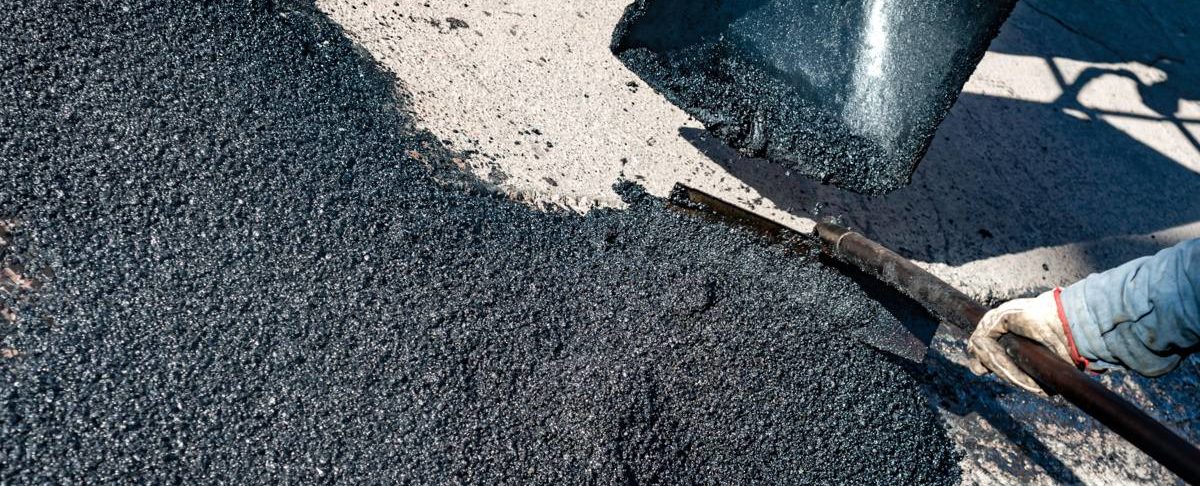
Homeowners replacing an aging driveway often ask a practical question: Can you put new asphalt over old asphalt? In some cases, resurfacing an existing driveway is possible and can extend the life of the pavement without rebuilding it from the base.
However, not every driveway qualifies for this approach. The condition of the existing asphalt, the stability of the base, and the presence of structural damage all determine whether resurfacing is a viable solution. Understanding these factors helps homeowners make better decisions before beginning a paving project.
What It Means to Pave Over Old Asphalt
Installing a new layer of asphalt over an existing driveway is commonly called an asphalt overlay. This process places fresh pavement over the current surface to restore smoothness and extend the driveway’s service life.
What an Asphalt Overlay Is
An asphalt overlay is a resurfacing technique used when the existing pavement structure is still stable. An overlay is a process where a new layer, typically 1.5–2 inches thick, is placed over the existing pavement surface. This additional layer improves the appearance and driving surface without rebuilding the entire driveway. Common benefits of overlays include:
- Restoring a smooth driving surface
- Improving curb appeal
- Completing the project faster than a full reconstruction
- Reducing overall project cost
Asphalt overlays can be effective when the existing pavement still provides solid structural support.
When You Can Put New Asphalt Over an Existing Driveway
Not every driveway qualifies for resurfacing. Contractors evaluate the existing pavement carefully to determine whether the structure can support a new layer.
Surface Conditions That Allow an Overlay
An overlay may be appropriate when the driveway shows moderate surface wear but remains structurally sound. Driveways suitable for resurfacing typically have:
- A stable base layer
- Limited cracking that can be repaired
- Minimal pothole damage
- Acceptable drainage performance
In these cases, resurfacing can restore the driveway surface and extend its lifespan without major reconstruction. When the base structure remains intact, installing new over the existing driveway can be a practical solution.
Situations Where Overlaying Is Not Recommended
While overlays can work well in the right conditions, they cannot fix deeper structural problems. Some driveway issues require removing the existing pavement and rebuilding the base. Certain signs indicate that the driveway structure has failed beneath the surface. Examples include:
- Widespread alligator cracking
- Deep potholes or collapsing sections
- Severe drainage problems
- Unstable or shifting base layers
When these problems exist, simply covering the surface with a new layer will not solve the underlying issue. Another challenge is reflective cracking. As pavement engineers explain, cracks in the existing surface can reappear through the new layer over time.
When structural damage is present, full driveway reconstruction often provides the most durable solution.
What Happens During an Asphalt Overlay
An overlay involves several preparation steps before the new pavement layer is installed. Proper preparation ensures that the new asphalt bonds correctly and performs reliably. Contractors typically prepare the existing surface before applying the new layer. Preparation may include:
- Cleaning debris from the pavement
- Repairing cracks and small potholes
- Leveling uneven areas
- Milling raised sections if necessary
- Applying bonding agents
These steps help create a stable surface for the new layer. Careful preparation improves the bond between the old and new asphalt, helping the resurfaced driveway last longer.
Asphalt Overlay vs Full Driveway Replacement
Choosing between resurfacing and full replacement depends on the condition of the driveway and long-term goals for the property. Both options have advantages depending on the situation.
Key Differences Between Overlay and Replacement
Overlay projects typically cost less up front, but they may not address structural issues beneath the pavement.
| Project Type | Typical Lifespan | Structural Impact |
| Asphalt Overlay | 8–15 years | Improves surface only |
| Full Replacement | 20+ years | Rebuilds entire pavement structure |
Full replacement removes the old asphalt, rebuilds the base, and installs new pavement layers. A professional assessment helps determine whether resurfacing or full reconstruction will deliver the best long-term value.
Why Choose Richfield Blacktop for Asphalt Driveway Installation in Minnesota
Choosing the right paving contractor is just as important as selecting the right driveway solution. Experienced contractors evaluate the condition of the existing pavement, drainage patterns, and base stability before recommending resurfacing or full replacement.
Richfield Blacktop brings decades of experience installing and maintaining asphalt driveways across the Twin Cities. Their team focuses on durable construction practices designed for Minnesota conditions.
Homeowners benefit from working with a contractor that prioritizes:
- Proper base preparation and compaction
- Correct thickness for residential driveways
- Drainage grading to prevent water infiltration
- Accurate evaluation of overlay vs replacement
- Paving practices designed for the Minnesota climate
Working with an experienced paving team helps ensure the driveway performs reliably and avoids premature pavement failures. Professional evaluation and installation practices help homeowners achieve long-lasting driveway performance.
Choose the Right Driveway Solution for Long-Term Durability
Installing new asphalt over old pavement can extend driveway life when the base layer remains stable and structural damage is minimal. However, overlays cannot correct deeper problems such as widespread cracking, base failure, or drainage issues. Contact Richfield Blacktop today to schedule a driveway evaluation. Their Minnesota paving experts can determine whether resurfacing or full replacement is the best solution for long-term driveway durability.