



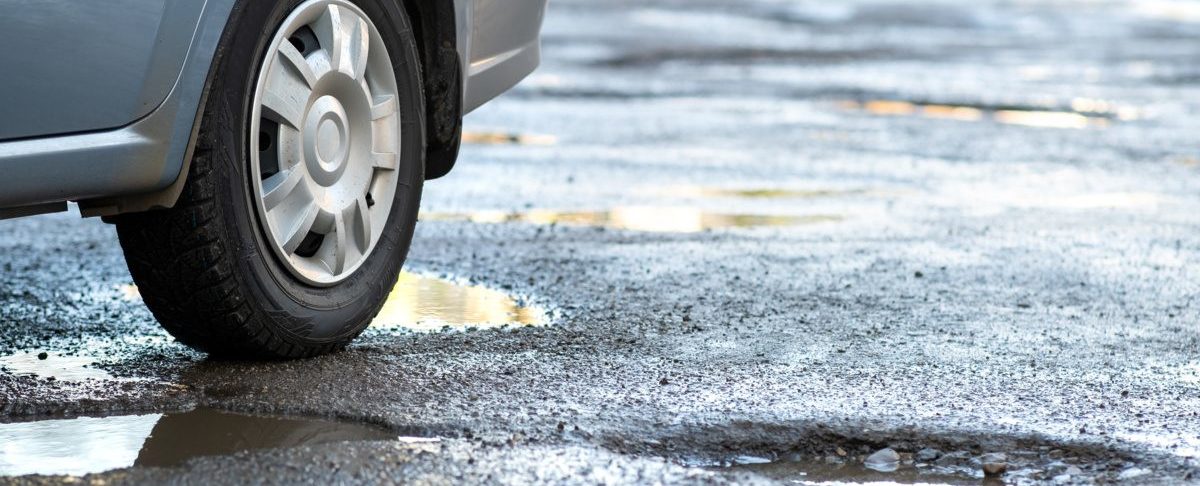
A well-built asphalt driveway should provide years of dependable performance, but even durable pavement eventually shows signs of wear. Minnesota homeowners often notice cracks, potholes, or uneven areas forming after several winters. These problems rarely appear overnight; most driveway failures begin as small surface issues that worsen when moisture and temperature changes stress the pavement.
Understanding common asphalt driveway failures helps homeowners identify problems early and take corrective action before repairs become extensive. Minnesota’s freeze–thaw climate, combined with heavy snow removal and seasonal ground movement, makes proactive inspection especially important.
Why Asphalt Driveways Fail Over Time
Driveway deterioration usually results from a combination of environmental stress, traffic load, and aging materials. Even properly installed asphalt gradually weakens as moisture penetrates the surface and the binder oxidizes over time.
Types of Pavement Distress
Pavement engineering research has long identified several common distress patterns affecting asphalt surfaces. Flexible pavements commonly experience cracking, rutting, raveling, weathering, and potholes as part of normal pavement distress. These conditions may appear gradually, but each signals that the surface is losing structural integrity.
Typical causes of driveway failure include:
- Water infiltration beneath the asphalt
- Freeze–thaw expansion during winter
- Weak base or subgrade layers
- Repeated vehicle loads
- Aging asphalt binder
Recognizing early signs of distress allows homeowners to address problems before they compromise the entire driveway.
7 Asphalt Driveway Failures Minnesota Homeowners Face
Many driveway problems share similar root causes but appear in different ways. The following issues are among the most common failures affecting residential asphalt surfaces in northern climates.
1. Alligator Cracking
Alligator cracking forms a network of small interconnected cracks that resemble reptile skin. This pattern usually indicates structural failure beneath the asphalt surface.
When the base layer weakens, the pavement can no longer support vehicle weight. Continued traffic spreads the cracking pattern quickly. Because this failure often involves deeper structural problems, professional evaluation is typically required.
2. Potholes
Potholes occur when moisture enters cracks and weakens the asphalt and base materials underneath. As vehicles pass over the weakened area, pieces of pavement break away.
Freeze–thaw cycles accelerate this process because expanding ice pushes asphalt upward before it collapses. Early asphalt pothole repair prevents the surrounding pavement from deteriorating further.
3. Rutting or Depressions
Rutting appears as grooves or depressions in the wheel paths of a driveway. These low spots form when the asphalt layer compresses or shifts under repeated traffic loads.
Poor base compaction or soft soil conditions may also contribute to rutting. Address rutting early to help restore proper drainage and prevent water from collecting in low areas.
4. Edge Cracking
Driveway edges are particularly vulnerable because they often lack the structural support found in the center of the pavement. Vehicles driving too close to the edge can accelerate cracking.
Edge damage also occurs when snowplows scrape along the sides of the driveway during winter clearing. Maintaining stable edges protects the entire pavement structure from spreading cracks.
5. Block Cracking
Block cracking appears as large rectangular sections across the driveway surface. Unlike alligator cracking, block cracking is typically caused by asphalt aging and shrinkage.
As asphalt binder oxidizes over time, the pavement becomes less flexible and more prone to cracking. Sealcoating and crack sealing can help slow oxidation and extend pavement lifespan.
6. Drainage-Related Damage
Water is one of the most destructive forces affecting asphalt driveways. When drainage is poor, moisture can pool on the surface or penetrate through cracks.
Over time, trapped water weakens the base layer and leads to structural failure. Proper grading and drainage prevent water from undermining the driveway structure.
7. Surface Raveling
Raveling occurs when asphalt aggregate begins to loosen and separate from the pavement surface. This gives the driveway a rough, gravel-like texture.
Raveling usually develops when the asphalt binder deteriorates due to oxidation, traffic wear, or weather exposure. Early surface treatment can restore pavement protection and slow further deterioration.
What Causes Asphalt Driveway Failures in Minnesota?
Environmental conditions play a significant role in asphalt driveway performance across northern states. Minnesota’s climate subjects asphalt surfaces to temperature swings that can strain pavement layers.
- Freeze–Thaw Stress: When water enters cracks and freezes, it expands and places pressure on the surrounding asphalt. As temperatures fluctuate, the pavement repeatedly expands and contracts. Over time, this movement widens cracks and weakens the structure beneath the surface.
- Drainage and Soil Movement: Poor drainage allows water to collect under or around the driveway. Saturated soil reduces support for the pavement and increases the risk of settling. Driveways built on unstable soil may develop depressions or uneven surfaces.
- Installation Quality: The durability of any asphalt driveway depends heavily on the quality of its base preparation and compaction. Insufficient base thickness or improper grading can shorten the pavement’s lifespan.
Common stress factors affecting Minnesota driveways include freeze–thaw cycles, snowplow scraping, deicing chemical exposure, and heavy vehicle loads. When environmental conditions combine with construction or drainage issues, driveway failures may develop more quickly.
When Repairs Are Possible vs. When Replacement Is Needed
Not every asphalt failure requires full driveway replacement. Many surface problems can be corrected if detected early.
Repairable Conditions
Minor pavement issues can often be repaired through localized driveway maintenance. Examples include small cracks, early potholes, and limited surface raveling. Timely repair prevents these issues from spreading into larger structural failures.
Structural Failures
When damage affects large areas of pavement or the base layer beneath the asphalt, replacement may be the most practical solution. Examples include widespread alligator cracking, severe rutting, and recurring drainage-related failures
A professional inspection helps determine whether repair or reconstruction will provide the best long-term value.
Preventing Early Asphalt Driveway Failures with Richfield Blacktop
To prevent asphalt driveway failures, ensure proper installation and maintenance. Minnesota’s freeze-thaw cycles and snow removal stress pavement, making contractor expertise essential. Richfield Blacktop focuses on practices that reduce early deterioration, prioritizing structural preparation for reliable driveways in the Twin Cities’ climate.
Key practices that help prevent driveway failures include:
- Proper base excavation and compaction
- Drainage grading to prevent standing water
- Appropriate asphalt thickness for residential driveways
- Quality materials designed for Minnesota weather
- Early crack repair and maintenance guidance
Work with an experienced local asphalt driveway contractor like Richfield Blacktop to ensure your driveway is built to withstand Minnesota conditions and avoid premature asphalt failure.
Address Driveway Problems Before They Get Worse
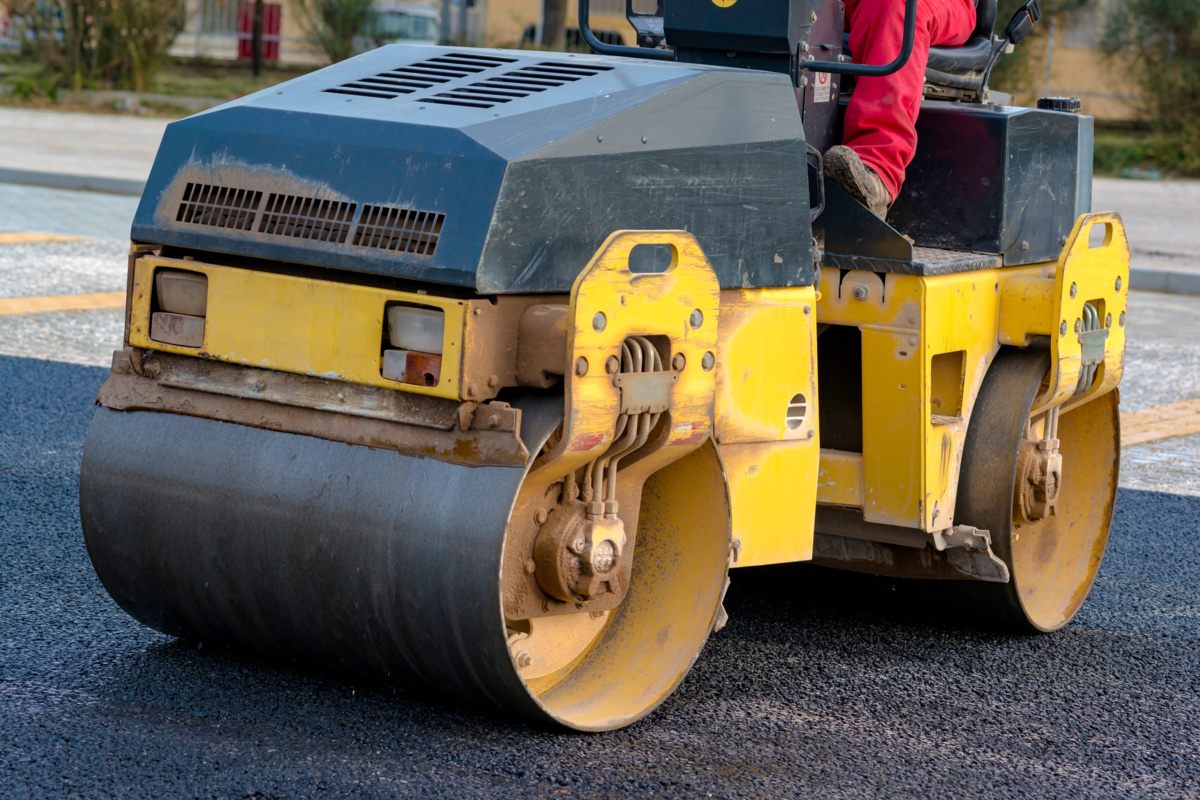
Most asphalt driveway failures start small but expand when moisture and traffic stress the pavement. Recognizing early warning signs allows homeowners to protect their investment and extend driveway performance.
Contact Richfield Blacktop today to schedule a professional driveway evaluation. Our experienced Minnesota team provides durable paving solutions, accurate problem diagnosis, and dependable service tailored to the unique conditions of Twin Cities properties.