



When homeowners plan a new driveway, cost and materials often receive the most attention. However, one structural detail has a major influence on durability: pavement thickness. If asphalt is too thin or poorly supported, the driveway may develop cracks, depressions, or potholes much sooner than expected.
Understanding how thick an asphalt driveway should be helps Minnesota homeowners make informed decisions before installation. Proper asphalt thickness, combined with a stable base and correct construction practices, allows a driveway to support daily vehicle traffic while maintaining long-term structural integrity.
Recommended Asphalt Driveway Thickness
Determining the correct asphalt thickness depends on several factors, including vehicle weight, soil conditions, and driveway usage. Residential driveways generally carry lighter loads than commercial pavements, but they still require enough structural strength to handle daily traffic and occasional heavy vehicles.
Standard Residential Asphalt Thickness
Industry guidance provides a general baseline for residential driveway construction. For residential driveways, the Asphalt Institute recommends at least 4 inches (10 cm) of compacted full-depth asphalt; however, for light loads, 2 to 3 inches may be adequate. While light-duty parking lots typically need 3–4 inches, 7.5 inches is advised for commercial, heavy-duty applications.
Typical driveway construction layers include:
- 2–3 inches of compacted asphalt surface
- 4–8 inches of compacted aggregate base
- Prepared soil subgrade beneath the base
Each layer plays a role in distributing vehicle loads and maintaining structural stability. Proper asphalt thickness works together with a strong base layer to prevent premature cracking and structural damage.
Why the Base Layer Matters More Than Asphalt Thickness
While the surface layer receives most of the attention, the aggregate base beneath the asphalt provides critical structural support. The base layer distributes vehicle weight and prevents the pavement from shifting as soil moves or moisture changes occur.
Typical Base Preparation
Professional asphalt paving contractors assess soil conditions before determining the appropriate base depth. Areas with softer soil may require additional stabilization.
Base preparation typically includes:
- Installing 4–8 inches of compacted aggregate or class 5 gravel
- Grading the surface to allow water drainage
- Compacting the base to create a stable platform
Proper compaction prevents the base from settling after the driveway is installed.
How Base Problems Lead to Pavement Failure
Driveways built on weak bases often show signs of distress earlier than expected. Without sufficient support, asphalt can flex excessively under vehicle loads.
Common base-related issues include:
- Rutting or depressions forming in wheel paths
- Cracks spreading across the driveway surface
- Localized sinking near garage entrances
A strong base layer allows the asphalt surface to maintain its shape and perform reliably for many years.
How Asphalt Driveways Are Installed in Layers
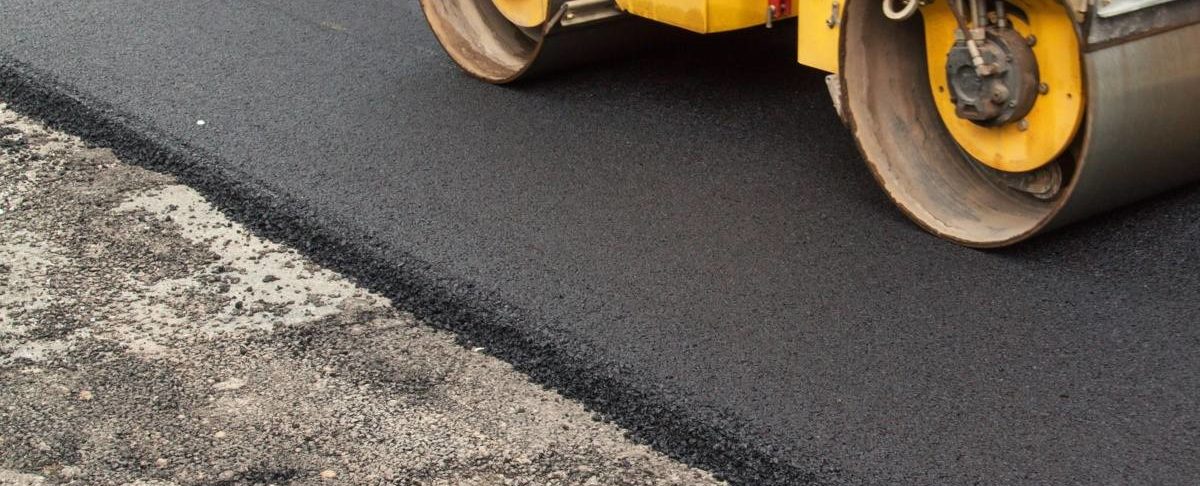
Asphalt driveways are constructed in layers rather than poured as a single slab. This layered design distributes loads gradually and helps maintain structural stability as vehicles travel across the pavement. Each layer works together to support the surface and prevent excessive movement.
Typical Asphalt Driveway Layer Structure
Residential asphalt driveways generally consist of three structural components:
- Compacted soil subgrade forming the foundation
- Aggregate base layer providing load distribution
- Asphalt surface layer creating the driving surface
Proper grading and compaction of each layer helps prevent uneven settling and premature cracking.
Why Asphalt Is Installed in Multiple Lifts
Contractors frequently install asphalt in more than one layer, known as lifts, rather than placing the entire thickness at once. This approach improves structural performance and pavement density.
Benefits of layered installation include:
- Improved compaction during construction
- Stronger bonding between asphalt layers
- Reduced likelihood of cracking
- Greater long-term durability
Layered construction ensures the driveway structure remains stable and capable of supporting residential traffic.
Asphalt Driveway Thickness by Vehicle Use
The types of vehicles using a driveway can influence how thick the asphalt surface should be. Passenger vehicles place less stress on pavement than heavier trucks or recreational vehicles. Designing the driveway structure to accommodate expected traffic helps prevent early pavement damage.
Typical Thickness Recommendations by Use
| Driveway Use | Recommended Asphalt Thickness |
| Passenger vehicles only | 2–3 inches |
| Occasional delivery trucks | about 3 inches |
| RVs or heavier vehicles | 3–4 inches |
| Frequent heavy vehicle traffic | may require a thicker structure |
Heavier vehicles place greater stress on driveway surfaces, particularly near turning areas and garage entrances. Properly matching pavement thickness to anticipated vehicle loads minimizes cracking and extends the lifespan of your asphalt driveway.
Signs Your Asphalt Driveway May Be Too Thin
Driveways constructed with insufficient asphalt thickness often begin showing distress within a few years. These pavement distress signs typically appear where vehicles repeatedly travel or where structural support is weakest.
Common indicators include:
- Cracks forming along tire paths
- Depressions or rutting where vehicles park or turn
- Early pothole formation after seasonal weather changes
- Edge crumbling caused by inadequate structural support
If these problems appear soon after installation, the pavement structure may not have sufficient thickness or base support. A professional evaluation can determine whether repairs, resurfacing, or structural improvements are needed.
Build a Driveway Designed for Long-Term Performance
Choosing the correct asphalt thickness is only one part of building a durable driveway. Base preparation, layered installation, and proper compaction all contribute to long-term pavement performance. Contact Richfield Blacktop today to discuss asphalt driveway installation with experienced Minnesota professionals. Their team provides tailored paving solutions designed for Twin Cities conditions and long-lasting residential performance.