



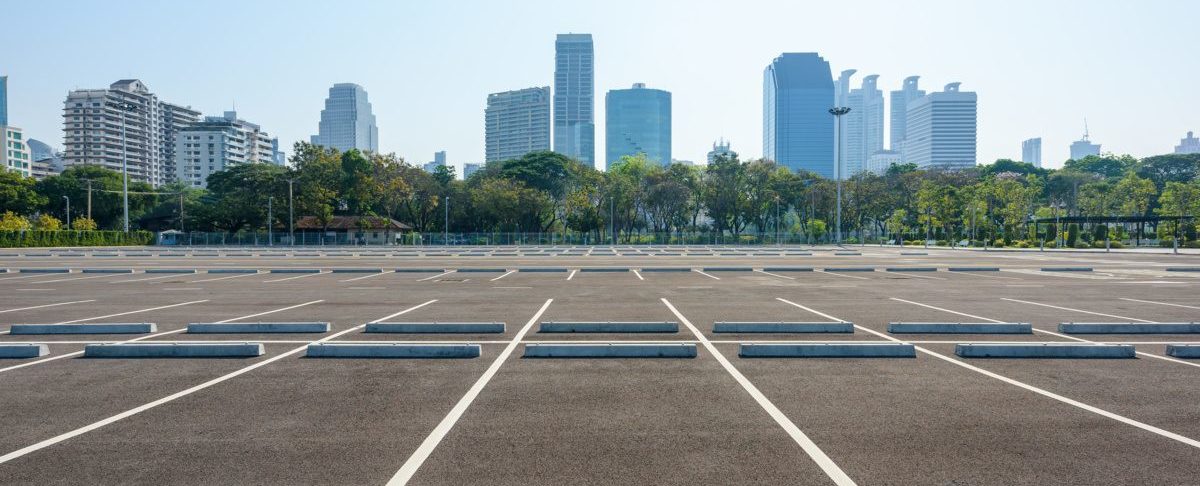
When developing a budget for an asphalt parking lot, business owners often focus on square footage pricing alone. However, commercial paving costs depend on numerous engineering variables, site conditions, and access logistics that influence labor time and materials. While asphalt remains a durable and cost-effective paving material for Minnesota commercial properties, parking lots serve heavier traffic loads, weather stress, and operational constraints compared to residential driveways.
Understanding cost drivers helps Minnesota facilities, HOAs, apartment complex operators, warehouse property managers, and office building owners plan realistic budgets and avoid surprises. From subgrade stabilization to drainage engineering and project staging, owners can reduce long-term expenses by asking the right questions before installation begins.
What Determines the Cost of an Asphalt Parking Lot?
The cost of constructing or replacing a commercial asphalt parking lot depends on more than asphalt mix pricing or paving square footage. Labor sequencing, site access, soil conditions, and traffic patterns all influence how long the project takes and which materials or reinforcement strategies a contractor must use. Frozen or saturated subgrade conditions can require stabilization work, excavation depth, and additional base layers.
Business owners evaluating parking lot projects should approach pricing holistically, rather than focusing solely on surface material costs. Understanding cost components helps owners evaluate contractor bids confidently and identify price gaps or risk factors before work begins.
Seven Key Cost Factors Minnesota Business Owners Should Understand
A commercial parking lot’s durability and long-term maintenance costs depend on decisions made during parking lot installation, not just surface pricing. Understanding these variables helps business owners set realistic budgets, avoid change orders, and choose contractors based on expertise rather than low bids. Below are the most common cost contributors business owners should evaluate with their contractor:
- Subgrade stabilization and soil preparation. Soft, saturated, or unstable soils require excavation and engineered base reinforcement, increasing labor and material use.
- Drainage planning and slope engineering. Improper slope often requires corrective grading.
- Asphalt thickness and compaction. Warehouse, fire lanes, and apartment complex parking lots require thicker asphalt lifts and heavier compaction standards.
- Access, staging, and traffic control logistics. Coordinating tenant parking, office building access, and service deliveries increases planning time and labor.
- Weather and scheduling constraints. Minnesota’s paving season is limited by temperature and precipitation, which affects project timelines and crew availability.
- Demolition and disposal of existing pavement. Costs increase when asphalt must be milled, removed, or crushed.
- Site upgrades and compliance requirements. Striping, ADA stalls, stormwater controls, or lighting integration can increase scope and cost.
Reviewing these cost components in detail during early planning avoids change orders and budget overruns during parking lot installation.
Asphalt Parking Lot vs. Concrete: Cost and Longevity Differences
When comparing paving materials, many business owners focus on initial installation pricing, assuming that concrete lasts significantly longer. In reality, lifecycle cost analysis provides a clearer comparison for Minnesota properties. Asphalt and concrete behave differently under freeze-thaw cycles, heavy turning movement, and commercial traffic loading. The ability to manage cracking, drainage, and future repair costs becomes increasingly important for warehouses, apartment complex parking lots, and office building parking areas that cannot afford prolonged downtime.
Cost Variables to Compare
Owners should evaluate curing downtime, repair frequency, labor intensity, replacement scope, and site access, not just material unit pricing. These variables determine operational impacts and lifecycle expenses.
Long-Term Performance Considerations
Asphalt flexes under load and seasonal movement, reducing winter cracking and enabling resurfacing or phased repairs. Concrete may offer a longer initial service life, but cracking often requires costly full-panel replacement and extended downtime due to curing requirements. Joint maintenance adds cost, and concrete failures are more disruptive to tenant and employee access
These cost and durability considerations help owners avoid misconceptions about asphalt being merely a lower-cost alternative rather than a strategic, long-term investment choice.
Misconceptions About Parking Lot Installation Costs
Commercial property owners commonly encounter misinformation when budgeting for an asphalt parking lot. Many believe asphalt is simply a cheaper version of concrete or assume that surface thickness alone determines durability. In reality, pavement life stats show that performance isn’t just about thickness. The total cost is shaped by engineering requirements, site preparation needs, and long-term maintenance planning.
Common Budget Misconceptions
Owners often underestimate the cost impact of excavation depth, base reinforcement, soil remediation, stormwater requirements, and phased construction schedules. These hidden costs can lead to under-scoped projects, premature cracking, and avoidable drainage failures. Another frequent assumption is that driveway pricing applies to commercial work, overlooking the load-bearing reinforcement required for truck lanes, loading docks, and turning radii.
Scheduling and Logistics Misconceptions
Some believe winter installation is feasible without limitations or assume tenant access will not require staging costs, traffic control labor, or safety barriers. Minnesota paving schedules depend heavily on asphalt temperature thresholds, compaction requirements, and crew availability during limited warm-weather windows.
Resurfacing vs. Full-Depth Replacement Assumptions
Another misconception is that resurfacing delivers equivalent performance to full-depth replacement. When base failure or structural cracking exists, resurfacing merely masks conditions temporarily, allowing deterioration to continue beneath the surface.
Debunking these misconceptions enables business owners to plan realistic budgets aligned with lifecycle performance expectations, long-term ROI, and durable project outcomes.
Why Site Conditions Have the Biggest Cost Impact
Before a contractor can price an asphalt parking lot accurately, they must evaluate existing site conditions. Soil stability, drainage performance, and moisture levels determine how much excavation, stabilization, and grading work is required.
Factors that Increase Site Preparation Cost
A weak or saturated subgrade will cause cracking or rutting even if the asphalt surface is replaced. Common contributors include:
- Saturated or unstable soils requiring excavation and stabilization
- Poor drainage or inadequate slope corrections
- Freeze–thaw damage beneath existing pavement
- Heavy axle loading near dumpsters, loading areas, or fire lanes
- Access limitations requiring phased construction or additional traffic control
Identifying these risks upfront allows for more accurate cost forecasting and prevents premature deterioration after installation.
Lifecycle Costs and Long-Term Budget Planning
Business owners evaluating parking lot paving benefit from planning beyond initial installation. Lifecycle budgeting considers maintenance, resurfacing frequency, and repair timing. Surface cracks, improper drainage, and oxidation accelerate deterioration. Parking lots supporting delivery vehicles, waste haulers, or frequent turning endure concentrated stress that demands proactive crack sealing and periodic resurfacing.
Predictable lifecycle budgets integrate sealcoating, crack sealing, resurfacing, and full-depth repairs at intervals aligned to traffic load, climate exposure, and material aging. Owners who budget for maintenance and resurfacing cycles maintain predictable operating costs and maximize pavement ROI.
What to Discuss With Your Parking Lot Paving Contractor
During estimating and planning conversations, business owners should seek clarity on assumptions that influence pricing. Contractors who provide detailed scope descriptions demonstrate transparency and reduce the likelihood of unexpected change orders.
Key Topics to Include in Your Bid Review
Well-informed cost evaluation includes questions about asphalt thickness, drainage corrections, phased staging, resurfacing timelines, winter limitations, and subgrade reinforcement expectations.
Ask prospective contractors to explain:
- Required asphalt thickness for specific traffic loads
- Whether subgrade stabilization or excavation is anticipated
- Drainage and slope corrections needed
- Staging, access routing, and traffic control costs
- Resurfacing vs. full-depth replacement feasibility
- Expected maintenance and resurfacing timelines
- How winter conditions affect installation scheduling
Discussions should aim at lifecycle value, not just base pricing, and identify risks associated with deferring maintenance or scope elements. Transparent communication helps align expectations, control project cost, and prevent premature pavement deterioration.
Plan Now for Cost-Effective Asphalt Parking Lot Results
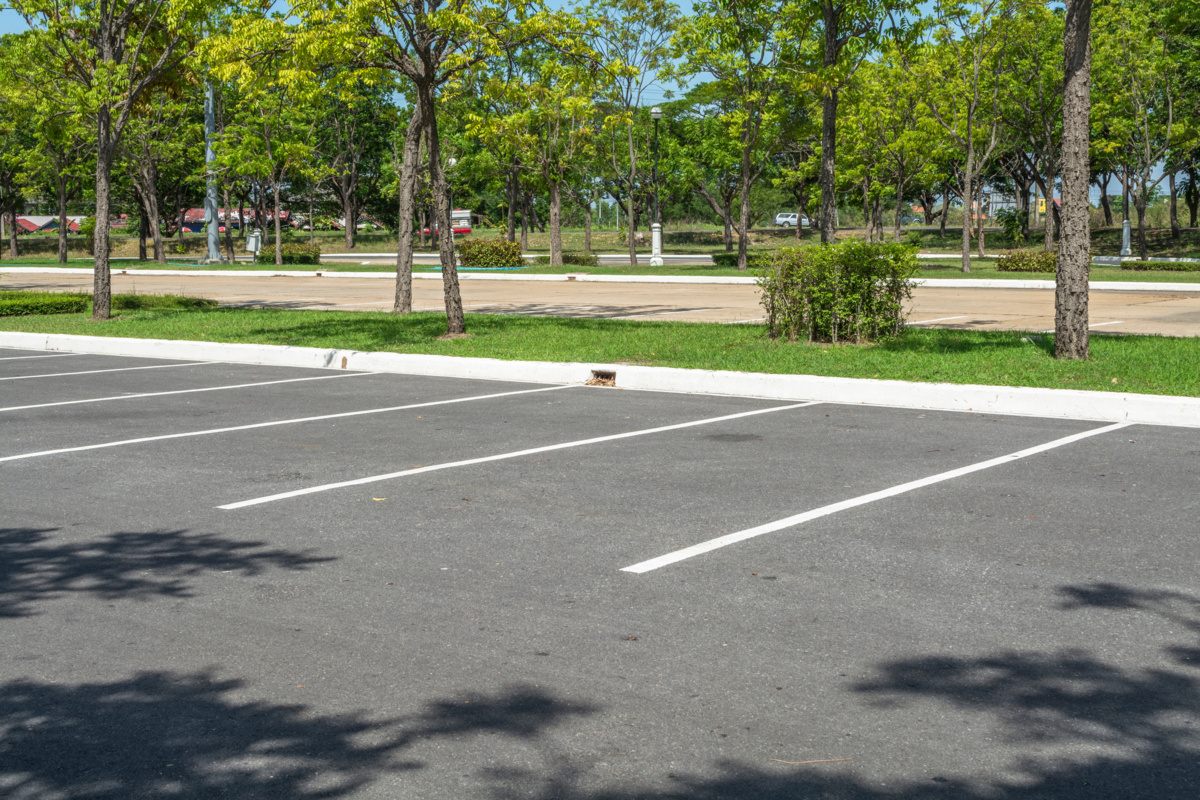
Budgeting for an asphalt parking lot requires more than material pricing. Site conditions, drainage engineering, traffic patterns, staging requirements, and maintenance planning all influence long-term performance and total lifecycle cost. Owners who evaluate these factors early can avoid overruns, protect load-bearing capacity, and prevent premature resurfacing or base repair. Contact Richfield Blacktop today to request a commercial assessment and detailed project estimate. With more than six decades of Minnesota paving experience and expertise working with warehouse, apartment complex, and office building parking lots, our team delivers durable installations tailored to local climate and operational demands, all backed by a lifecycle-focused approach to planning and maintenance.