



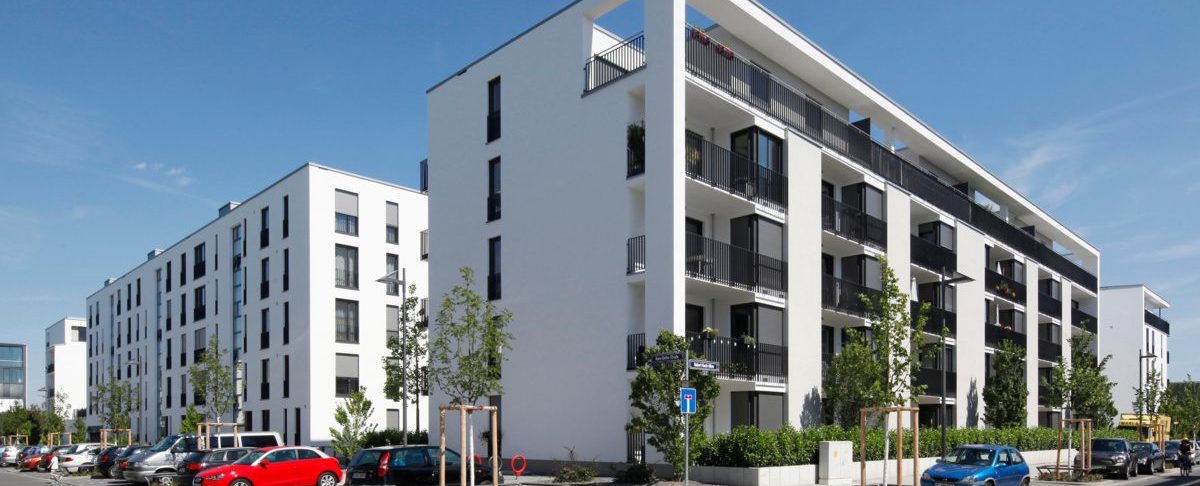
Apartment communities require safe, durable, and easy-to-maintain parking lots that accommodate continuous vehicle traffic and harsh Minnesota weather. Many property managers are now upgrading aging concrete or deteriorating pavement to asphalt paving systems. Before beginning the project, it is valuable to understand the meaning of asphalt paving, what makes it suitable for apartment complexes, and why working with an experienced contractor ensures long-term performance and budget control.
Below, we examine why asphalt paving is preferred for apartment complex parking lots, what to consider before installation, and how to plan for long-term maintenance that protects your investment.
What Is Asphalt Paving for Parking Lots?
Asphalt paving refers to the process of installing a flexible pavement surface made from aggregates, binders, and bitumen. For parking lots, commercial asphalt paving creates a smooth, resilient surface capable of supporting passenger vehicles, delivery trucks, and emergency services.
Unlike poured concrete, asphalt paving can be installed in phases, resurfaced cost-effectively, and repaired without full replacement, valuable benefits for busy apartment complexes. Before moving into installation, it helps to understand why asphalt is well-suited for multi-family parking areas. Remember, asphalt paving is a flexible, layered pavement designed to handle repeated vehicle loading while allowing affordable repairs over time.
Why Asphalt Paving Works Best for Apartment Parking Areas
For high-traffic parking lots where tenant convenience and long-term maintenance are key, asphalt paving offers significant advantages. Multi-family lots experience repeated stress from daily traffic cycles, snow removal equipment, idling vehicles, and heavy stormwater runoff. Parking lots must balance functionality, safety, and lifecycle costs. Asphalt supports that balance by reducing disruption and lowering long-term repair budgets. Understanding asphalt paving cost factors, such as material quality, base preparation, drainage design, and traffic load, helps property managers make smarter decisions that extend the pavement’s lifespan.
Benefits of Asphalt for Multi-Family Parking Area
Asphalt paving’s flexibility makes it more forgiving and easier to maintain than rigid concrete systems. Here are the benefits of using asphalt for multi-family parking areas:
Key performance advantages include:
- Smooth driving surfaces for tenant vehicles
- Faster installation, limiting parking disruptions
- Better performance in freeze-thaw cycles
- Quiet vehicle movement and reduced noise complaints
- Easier snow removal and winter maintenance
- Cost-effective resurfacing rather than full replacement
As you evaluate replacements or upgrades, weigh your goals for budget control, tenant experience, and lifecycle longevity. Before moving forward, property owners often compare asphalt paving to concrete. Many choose asphalt because it offers faster turnaround and lower operational disruptions, which are critical for apartment complexes.
Why Replace Concrete With Asphalt in Multi-Family Lots
Concrete offers durability, but its rigidity can make it more prone to cracking under Minnesota’s freeze–thaw cycles, and repairs often involve longer disruptions for residents. For apartment properties where uptime matters, asphalt paving is usually the better investment because it can typically return to service sooner. FHWA guidance, citing ACI parking lot recommendations, notes that concrete is commonly held for 3 days for auto traffic and 7 days for all other traffic, whereas the FHWA’s asphalt preservation checklist indicates that asphalt can be opened to traffic after compaction once the mat cools to 60°C (140°F) (or the agency’s required temperature).
A few compelling reasons to upgrade include:
- Faster Installation and Minimal Disruption – Asphalt paving can be installed and cured significantly faster than concrete, allowing residents to regain access quickly.
- Cost-Effective Repairs and Maintenance – Resurfacing extends asphalt lifespan without full replacement, reducing capital expenditures.
- Winter Resistance – Asphalt responds better to freeze-thaw cycles and heavy salt use, making it ideal for Minnesota properties.
- Improved Drainage Capabilities – Properly designed asphalt paving with subgrade grading helps manage water movement.
- Smooth Surface and Reduced Noise – Residents benefit from quieter vehicle traffic and improved driving comfort.
Together, these benefits translate into a predictable asphalt paving budget, fewer tenant complaints, and reduced operational interruptions.
Key Factors to Consider Before Paving an Apartment Parking Lot
Parking lots serving apartment complexes must meet unique user demands and operational constraints. Owners should evaluate performance requirements before scheduling asphalt paving work.
Important considerations include:
- Expected vehicle traffic volume
- Stormwater and drainage patterns
- Access for emergency vehicles
- Pedestrian paths and safety
- Ada compliance requirements
- Space for snow storage or plow operations
- Maintenance and repair planning
When these considerations are addressed in early project planning, asphalt paving performs predictably and reduces risk. With proper planning, asphalt parking lots serve apartment communities efficiently and cost-effectively.
The Asphalt Paving Installation Process
Before requesting bids, property managers benefit from understanding the asphalt paving installation sequence. This ensures contractors follow best practices and meet performance expectations.
- Site Evaluation and Project Assessment: Engineers assess subgrade conditions, drainage patterns, traffic usage, and project scope.
- Demolition and Surface Preparation: Existing pavement is removed, and the base is stabilized for load-bearing performance.
- Grading and Drainage: Parking lots require engineered slopes for stormwater management and compliance with accessibility requirements.
- Base Layer and Binder Course Placement: Each asphalt layer contributes to flexibility, strength, and resilience.
- Final Asphalt Surface and Compaction: The surface course creates a smooth, durable finish designed for long-term performance.
- Striping, Markings, and Traffic Control Setup: ADA-compliant stalls, fire lanes, and directional markings support safety.
Proper installation reduces future repairs and supports long-term pavement life for apartment communities.
Why Professional Installation Matters for Multi-Family Pavement
A professional asphalt paving contractor ensures full lifecycle performance and reduces operational risk for landlords and building owners. Apartment complexes depend on consistent, safe parking access, making professional oversight non-negotiable.
Experienced contractors provide:
- Engineered base and subgrade preparation
- Correct asphalt mix designs for regional weather
- Proper compaction and drainage grading
- Adherence to ADA, fire lane, and accessibility codes
- Accurate project phasing and scheduling
Choosing the right paving team is essential: missing permits, poor drainage planning, or inadequate compaction are common asphalt contractor red flag issues that can lead to costly failures later on. Partnering with an experienced, licensed contractor helps ensure that your pavement meets industry standards and withstands daily use for years to come.
Maintenance Expectations for Asphalt Parking Lots
Asphalt paving is most effective when supported by proactive maintenance. Property managers must understand expectations to protect ROI and pavement lifespan.
Routine upkeep typically includes:
- Sweeping and debris removal
- Crack sealing and joint maintenance
- Line re-striping and directional markings
- Pothole and patch repairs
- Sealcoating on a set schedule
Why Maintenance Matters for Multi-Family Properties
Tenant vehicles, delivery trucks, and constant freeze-thaw cycles accelerate wear. Preventive maintenance ensures cost savings and minimizes disruption to parking capacity. Maintenance planning positions owners to protect their investment and reduce long-term capital spending.
The Richfield Blacktop Difference for Apartment Parking Lots
Richfield Blacktop has been installing asphalt paving systems across Minnesota for more than 60 years. Property managers rely on the company for durable parking solutions that handle extreme weather, heavy traffic, and multi-tenant vehicle patterns.
Richfield Blacktop delivers measurable value through:
- Long-standing twin cities commercial experience
- Engineered asphalt paving for freeze-thaw durability
- 5-year protection plans are available on many projects
- Specialized knowledge of apartment parking lot layouts
- Fast installation timelines and reduced tenant downtime
Partner with an asphalt paving expert in the Twin Cities. This ensures structural integrity and cost efficiency for years to come.
Schedule a Consultation for Your Apartment Parking Lot Project

Asphalt paving remains a durable, flexible, and cost-effective solution for apartment complex parking areas in Minnesota. To evaluate whether resurfacing, repair, or full replacement is appropriate for your property, reach out to Richfield Blacktop for a detailed assessment and proposal.
You can request a bid for your asphalt paving project, schedule an on-site parking lot evaluation, or compare resurfacing vs full replacement options. We can also build a long-term maintenance and repair plan for your existing apartment complex parking lot. Upgrade your multi-family parking lot with proven expertise, engineered installation, and long-lasting durability backed by decades of Minnesota experience.