


When your asphalt driveway starts to crack or crumble, you don’t need a full replacement; however, you need the correct fix. Two of the most common residential repair options are cold patch and infrared. While both can patch up damaged asphalt, only one offers the long-term performance Minnesota homeowners can count on year after year.
We’ve repaired thousands of driveways across the Twin Cities, and we’ve seen what works and what doesn’t. Below, we break down the differences between cold patch and infrared so you can choose the method that protects your asphalt and your wallet.
Cold Patch vs. Infrared: What’s the Difference?
Cold patch and infrared are two distinct approaches to repairing asphalt driveways, but many homeowners are unaware of the significant impact these differences have on performance and cost. Some even assume that any black patch material will suffice, but that’s not the case.
How Each Repair Method Works
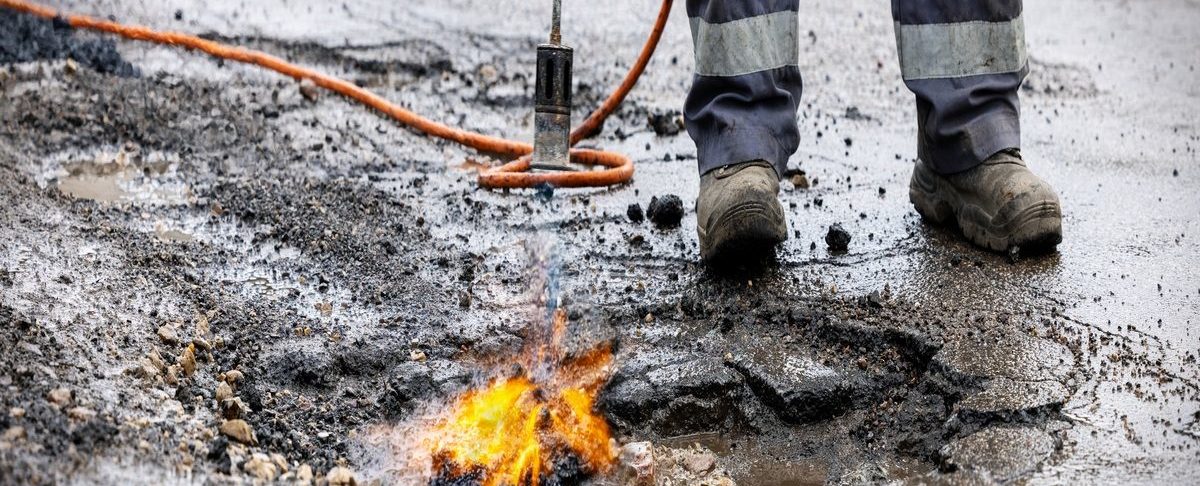
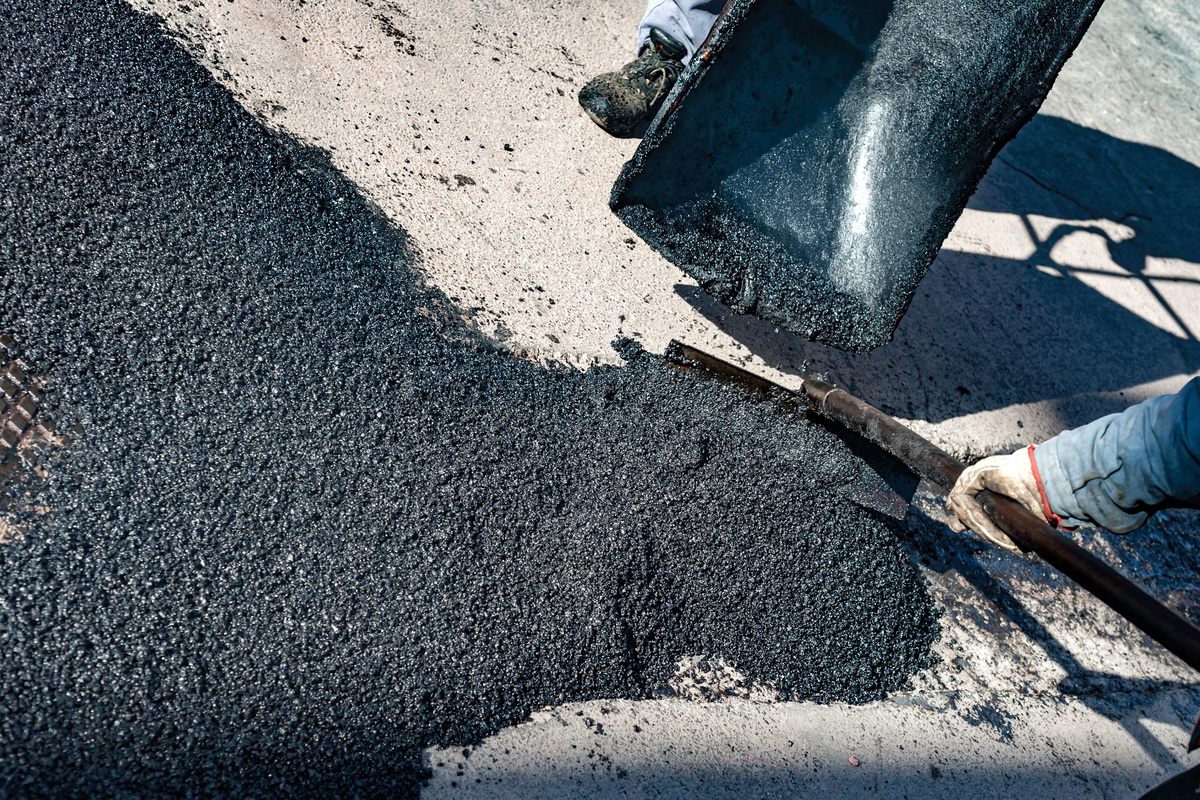
Cold patch uses pre-mixed asphalt that’s applied directly into a pothole or crack. It’s a quick fix that doesn’t require much prep, but it’s not a permanent solution. Infrared asphalt repair, on the other hand, involves heating the existing asphalt with infrared technology until it’s workable again. We then add fresh material, regrade the area, and compact the surface for a seamless, durable finish. Here’s a quick comparison:
- Cold Patch: fast, temporary fix
- Infrared: long-lasting, seamless repair
Understanding the difference between these two methods is key to making the right decision for your home. What may seem like a simple fix can quickly turn into a recurring problem if the wrong repair method is used.
Which Works Best for Minnesota’s Freeze-Thaw Cycles?
Minnesota homeowners are no strangers to the damage that extreme weather can cause to their driveways. Between the deep freezes, spring thaws, and repeated exposure to moisture, asphalt surfaces face constant stress that few other climates can match.
MnDOT research, tied to MnROAD measurements, found an average of 86 freeze–thaw cycles from October through April, at approximately one inch below the pavement surface. This is precisely where small cracks can open up, take on water, and accelerate breakdown. That’s why the repair method you choose matters. Some techniques offer a short-term cosmetic fix, while others create a stronger, more weather-resistant bond.
Why Infrared Wins in Cold Climates
The benefits of infrared asphalt repair are obvious in regions with harsh winters. Unlike traditional cold patch methods, which can leave weak joints or gaps, infrared repair technology heats the existing asphalt surface to create a seamless bond between the old and new materials. This process minimizes the risk of water intrusion and helps your driveway survive our brutal winters.
- Seamless bonding with existing asphalt that resists cracking and water infiltration.
- More flexible and durable. Better resistance to freeze-thaw damage.
- Longer-Lasting Results, built to endure harsh Midwest winters and daily wear.
- No weak seams where moisture can seep in and cause future deterioration.
- Can be done year-round (weather permitting). Ideal for Minnesota’s short repair seasons.
- Environmentally friendly & cost-effective due to fewer repeat repairs.
In Minnesota’s climate, infrared consistently outperforms cold patch in terms of longevity and resistance to seasonal damage.
When Is Infrared the Better Investment?
Not all damage needs an infrared repair, but when durability matters, it’s usually the smarter choice.
Size and Severity Matter
A cold patch repair may work for tiny, shallow spots as a short-term solution. But for anything larger than a small crack or where structural integrity is involved, we recommend infrared. Infrared is ideal when:
- You have multiple or larger problem areas
- You want a seamless, smooth finish
- You need repairs to last several years
- You’re preparing for resale or inspection
Infrared does cost more upfront, but it typically lasts 3-5x longer than cold patch. That means fewer repeat repairs and fewer headaches.
What’s the Timeline for Each Repair Method?
Speed is often a concern, especially for homeowners with limited access or busy driveways. Let’s compare how long each method typically takes, from setup to usability.
Cold Patch Repairs
- Quick Application, Short Wait: Cold patch can often be applied in under an hour, and most surfaces are usable the same day.
- No Heating Required: Since it’s a ready-to-use product, there’s no heating time involved.
- Temporary Solution: While fast, cold patch repairs are typically temporary and may need replacement within a season or two, especially after a harsh Minnesota winter.
Infrared Asphalt Repairs
- Moderate Setup Time: Infrared heaters need time to warm the surface (usually 5-10 minutes), followed by blending and compaction.
- Cure Time Still Fast: Despite the additional steps, infrared repairs often cure within a few hours and are traffic-ready by the next day.
- Long-Term Efficiency: Because it fuses with the existing surface, you’re less likely to need repeat work soon after.
For homeowners needing a fast temporary fix, cold patch may work. But if you want the repair to last through snow, plows, and spring thaw, it’s worth waiting for an infrared appointment.
Quick Comparison: Cold Patch vs. Infrared Asphalt Repair
This table makes it easy to see the pros and cons of each method and when to apply them if you’re trying to choose between cold patch and infrared for your home driveway repair. Depending on the project, we employ both, but the appropriate option is important for long-term durability.
| Feature | Cold Patch Repair | Infrared Repair |
| Repair Lifespan | Short-term (temporary fix) | Long-lasting, often comparable to new asphalt |
| Curing Time | Instant traffic-ready, but settles over time | Requires cooling but bonds entirely with the existing surface |
| Best Use Case | Emergency patching, low-traffic areas | Permanent repairs in high-use residential driveways |
| Durability in Freeze-Thawes | Prone to cracking or shifting with the weather | Seamless bond reduces water intrusion and cracking |
| Seam Visibility | Obvious patch marks or texture difference | Virtually invisible blend with the surrounding asphalt |
| Cost Efficiency | Low upfront cost, higher long-term costs with re-repair | Higher initial cost, better value over time |
| Tools & Equipment Required | Basic hand tools, DIY-friendly | Specialized infrared heating and raking equipment |
| Recommended by Richfield? | For short-term or emergency use only | Yes, preferred for lasting results in Minnesota’s harsh climate |
We don’t believe in temporary fixes that lead to bigger problems down the road. Our team at Richfield Blacktop recommends the right method based on your driveway’s condition, usage, and long-term goals, not what’s fastest or cheapest.
Why Richfield Blacktop Recommends Infrared for Residential Repairs
We’ve tested every method. For residential repairs in Minnesota, infrared technology offers our customers the best value, particularly when addressing early-season or winter damage.
Our Proven Approach
Not every asphalt driveway in Minneapolis needs infrared. But when it does, we do it right, so your repair lasts for years, not months. At Richfield Blacktop, we:
- Use commercial-grade infrared repair units
- Blend material seamlessly for a uniform finish
- Address underlying issues like drainage or sub-base soft spots
- Stand behind our work with local references and long-term service
At Richfield Blacktop, we evaluate every driveway repair request based on surface condition, expected usage, and seasonal impact. Our team recommends the method that will provide the longest-lasting value for your home and budget, whether that’s a temporary cold patch or a permanent infrared fix.
Protect Your Driveway With the Right Repair Method
Know what your driveway needs before winter hits. Driveway problems won’t wait until spring. If you notice holes, soft spots, or cracking, it’s best to act now before freeze-thaw cycles make things worse. While a cold patch may seem like a quick solution, infrared gives you the durability and appearance your home deserves. At the end of the day, your driveway needs a solution that fits your budget, timeline, and expectations for performance. Contact Richfield Blacktop today to find out whether infrared repair is the right solution for your driveway. We’ll walk you through your options and provide the professional service Twin Cities homeowners have trusted for decades.