



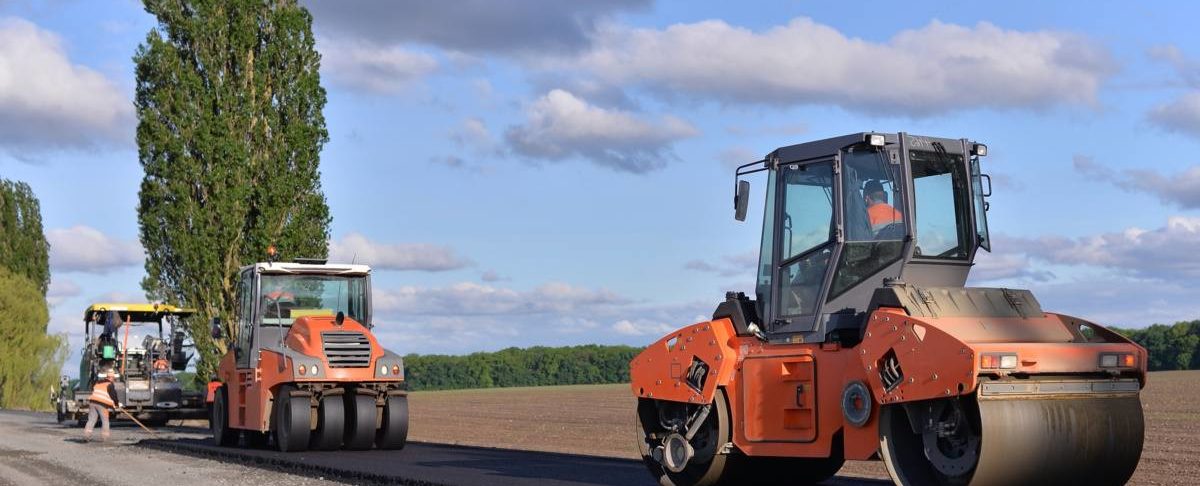
Homeowners researching driveway paving often hear two terms used interchangeably: asphalt and blacktop. While they appear similar, the terminology can create confusion when discussing materials, installation methods, or repair options. Understanding asphalt vs. blacktop helps homeowners focus on what actually matters when planning a driveway project. In reality, the differences between the two are less about entirely different materials and more about mixture composition, terminology, and how the pavement is used.
What Asphalt Actually Is
Asphalt is the technical term used in pavement engineering and road construction. In the context of asphalt driveway paving, it refers to a composite material designed to create durable surfaces capable of supporting vehicles, weather exposure, and long-term traffic loads.
Composition of Asphalt Pavement
Asphalt is produced by combining mineral aggregates with a petroleum-based binder that holds the mixture together. It’s a composite material made by mixing aggregates such as crushed stone, sand, and gravel with bitumen, which acts as the binder.
The mixture typically includes:
- Crushed stone or gravel
- Sand or fine aggregate
- Mineral filler
- Bitumen binder
When heated and compacted, these materials form a strong yet flexible pavement surface used in everything from residential driveways to parking lot asphalt paving. Asphalt’s combination of strength and flexibility allows it to perform well under vehicle loads and varying weather conditions.
What Contractors Mean by “Blacktop”
The term blacktop is commonly used in residential paving conversations, particularly when referring to driveways. While it may sound like a different material, blacktop is generally a variation of asphalt used for smaller paving projects.
Why the Term Blacktop Exists
Historically, the name blacktop emerged from the dark appearance of newly paved surfaces. Over time, the term became a popular way for homeowners to describe asphalt driveways.
Blacktop is often associated with:
- Residential driveway paving
- Smaller paving projects
- Asphalt mixtures designed for lighter vehicle traffic
In most cases, contractors use the terms interchangeably because the materials share the same basic components. For residential driveways, the difference between asphalt and blacktop is often more about terminology than completely different paving materials.
Key Differences in Asphalt vs. Blacktop Mixtures
Although asphalt and blacktop share similar ingredients, some mixture variations may exist depending on the paving application. These differences usually involve aggregate size, mixing temperatures, and the intended use of the pavement.
Aggregate Content and Mixing Temperature
Different asphalt mixtures may contain slightly different ratios of stone, sand, and binder. These adjustments help contractors design pavement suited for specific traffic conditions.
Possible mixture variations include:
- Different aggregate sizes depending on pavement type
- Varying binder content to improve flexibility
- Different mixing temperatures during production
In practice, these differences are controlled by paving specifications. Regardless of mixture variations, both asphalt and blacktop rely on the same basic ingredients and construction methods.
Why Homeowners Hear Both Terms
The use of two different names for the same type of pavement often leads to confusion. Asphalt driveway contractors, suppliers, and homeowners may all use different terminology depending on their background or regional habits.
Several factors explain why both terms appear frequently:
- Regional differences in construction terminology
- Contractor shorthand used in residential paving
- Marketing language used by paving companies
- Homeowner familiarity with the word blacktop
In many cases, homeowners ask for a “blacktop driveway” even though the contractor technically installs asphalt pavement. Recognizing this terminology difference helps homeowners focus on installation quality rather than the label used for the material.
What Actually Matters When Installing a Driveway
While the asphalt vs. blacktop debate receives attention, long-term durability depends far more on proper construction and blacktop driveway care than on terminology. Installation quality, base preparation, and ongoing maintenance have a much greater impact on pavement lifespan than the material itself.
Key factors influencing driveway performance include:
- Proper base preparation and compaction
- Appropriate asphalt thickness for residential traffic
- Drainage design to prevent water infiltration
- Quality paving equipment and installation methods
- Routine maintenance, such as crack sealing
A driveway built with strong structural support will generally perform well regardless of whether someone calls it asphalt or blacktop. Installation quality and driveway maintenance practices play a larger role in driveway durability than terminology.
Choose the Right Driveway with Experienced Paving Professionals
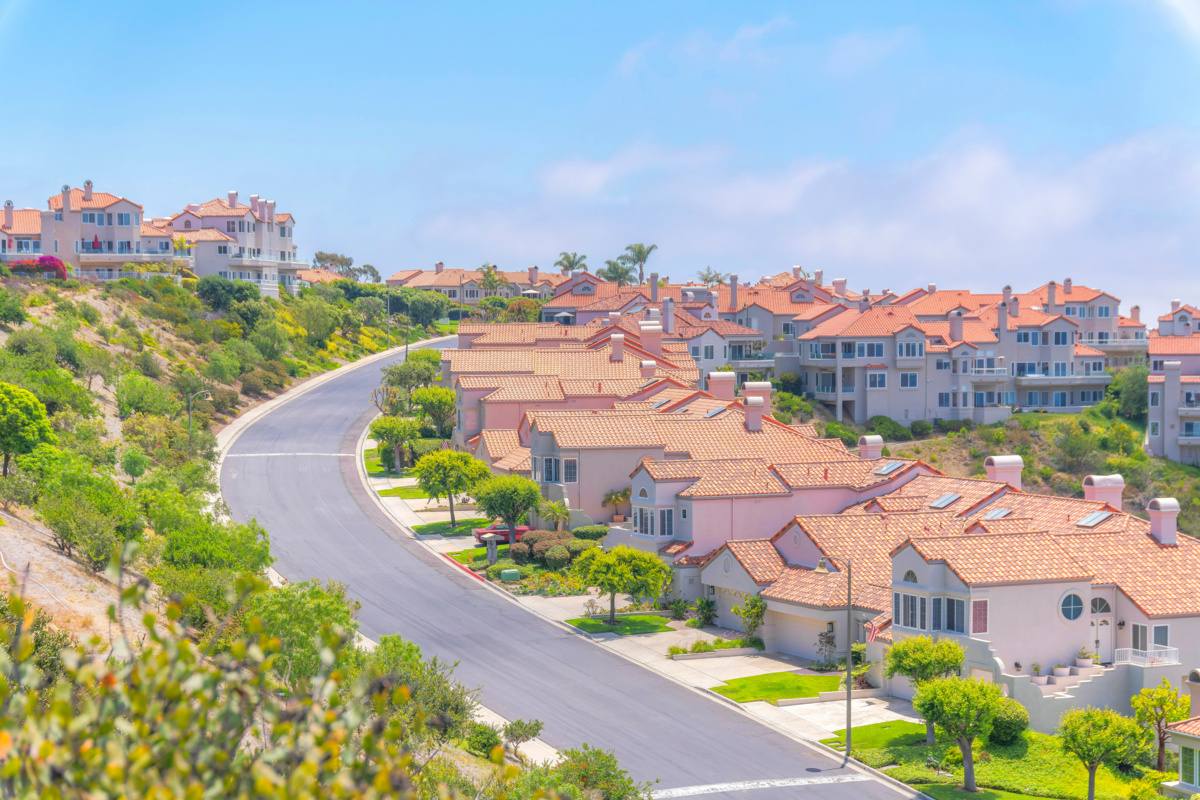
Understanding the difference between asphalt and blacktop helps clarify common paving terminology, but homeowners should focus primarily on construction quality and structural design. Proper installation ensures the driveway can handle daily vehicle traffic and long-term environmental exposure. Contact Richfield Blacktop today to discuss residential driveway paving with experienced Minnesota professionals. Their team provides durable asphalt driveway solutions designed to perform reliably in Twin Cities conditions and deliver long-lasting results for homeowners.
